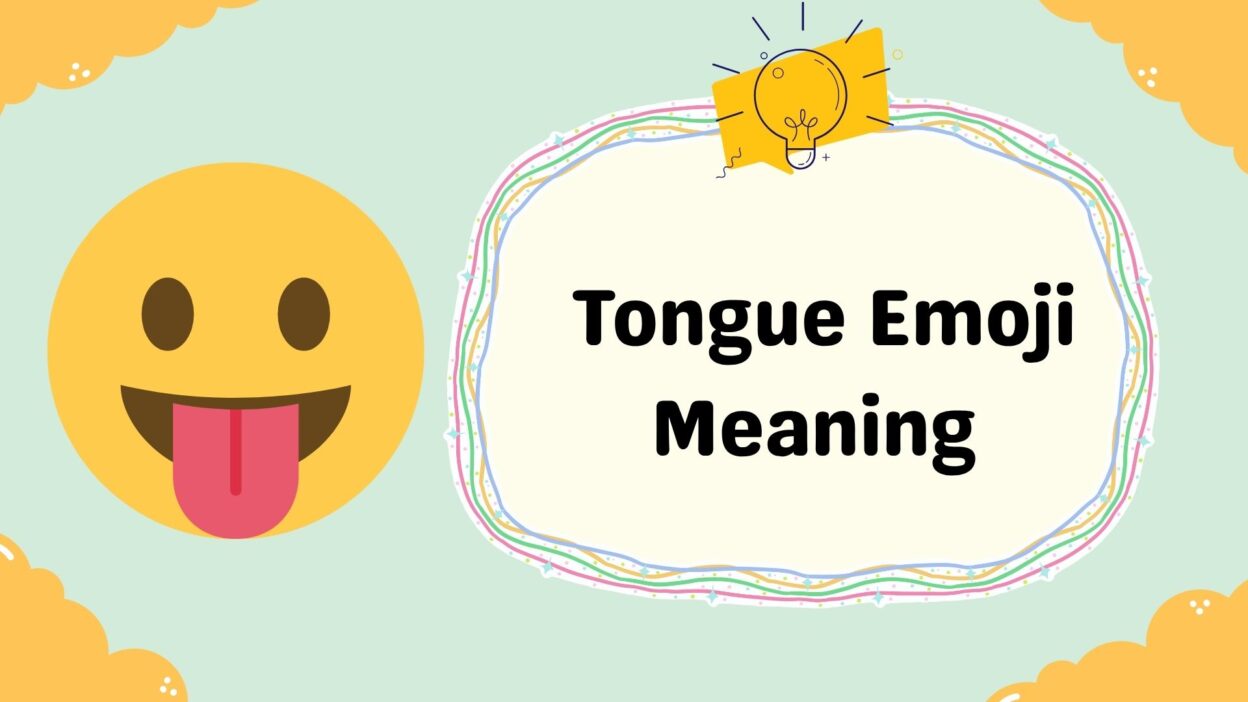
Ever wondered what the 😛 tongue emoji really means when someone sends it in a text? The Tongue Emoji Meaning can be playful, funny, teasing, or even a little mischievous, depending on the conversation and the person using it.
This emoji is often used to show that someone is joking around, being silly, or not taking a message too seriously.
However, its meaning can change based on the context, the relationship between the people texting, and even the emoji paired with it.
Meaning & Definition
The tongue emoji (😛, 😜, 😝, or 👅) is most commonly used to express playfulness, teasing, or flirtation in a text or chat conversation. It softens a joke, signals “I’m not being serious,” or adds a flirty edge to a message. When a guy sends it, it often means he’s being cheeky, lighthearted, or subtly flirty rather than fully serious.
There are a few common variations worth knowing:
- 😛 (Face with Tongue) , playful, joking, sometimes sarcastic
- 😜 (Winking Face with Tongue) , flirty, teasing, “just kidding” energy
- 😝 (Squinting Face with Tongue) , silly, exaggerated humor
- 👅 (Tongue emoji, standalone) , often used with more overtly flirty or suggestive undertones, especially in dating app conversations
Example messages:
- “You really thought I’d forget your birthday? 😛”
- “Can’t wait to see you tonight 😜”
Background & Origin
Like most modern emoji, the tongue-face symbols originated from Unicode’s early emoji set, which was designed to visually represent facial expressions that are hard to convey through plain text. The “tongue out” gesture itself long predates emoji , it’s a universal human expression tied to teasing, silliness, or mock rudeness (think of someone sticking their tongue out as a kid).
As texting and social media exploded in the 2010s, these emoji were quickly adopted to soften tone in written conversations, where sarcasm and playfulness are easy to misread. Over time, especially with the rise of dating apps and flirty texting culture, the tongue emoji picked up an additional layer of meaning tied to flirtation and playful sexual undertones , particularly the standalone 👅 emoji.
Usage in Different Contexts
Texting or Chat Messages In everyday texting, the tongue emoji usually softens a joke or teasing comment.
“You’re such a nerd 😛”
Social Media Platforms On platforms like Instagram or TikTok, it’s often used in captions or comments to signal humor or playful confidence.
“Rocking this haircut whether you like it or not 😜”
Professional or Technical Settings This emoji is rarely used professionally, and when it appears in workplace chats (like Slack), it’s typically between close coworkers to indicate a joke isn’t meant seriously.
“Don’t worry, I already fixed your typo in the deck 😛”
Platform-Specific Meanings
| Platform | Common Meaning | Example Use |
| Playful teasing between friends or partners | “Miss you already 😜” | |
| Confident, humorous caption tone | “New post, no regrets 😛” | |
| TikTok | Comedic or sarcastic commentary | “POV: you ate the whole cake 😝” |
| Snapchat | Flirty or teasing snap caption | “Guess who’s thinking about you 😜” |
| Twitter/X | Sarcastic or joking tone on a post | “Totally didn’t procrastinate today 😛” |
Other Fields Using the Abbreviation
While “tongue emoji” itself isn’t a text abbreviation, the letters and symbols associated with it sometimes overlap with unrelated shorthand people search for, including:
- DL , can mean “Download” or “Driver’s License” depending on context
- Medical/Scientific , the tongue (glossa) is referenced in anatomical and medical terminology unrelated to emoji use
- Tech/UX , emoji like the tongue face are cataloged under Unicode’s official “Face-Smiling” and “Face-Tongue” categories for developers and designers
Common Misconceptions & Mistakes
One of the biggest mistakes people make is assuming the tongue emoji always means the same thing regardless of context. A 😛 from a close friend usually means simple teasing, while the same emoji from a romantic interest can carry flirty undertones.
People also confuse 😛 (playful) with 👅 (more flirty/suggestive) , even though they look similar in spirit, the standalone tongue emoji tends to carry a stronger flirtatious or sexual connotation, especially in dating contexts.
Similar Terms & Alternatives
| Emoji/Term | Meaning | Example Use |
| 😉 (Wink) | Flirty or “just between us” | “See you Friday 😉” |
| 😏 (Smirk) | Sly, suggestive confidence | “I know something you don’t 😏” |
| 😂 (Laughing) | Pure humor, no flirty undertone | “That meme killed me 😂” |
| 👅 (Tongue) | Flirty, sometimes suggestive | “Can’t stop thinking about tonight 👅” |
How to Respond , Chat Examples
From a Friend:
Him: “You owe me ice cream 😛” You: “In your dreams 😂”
From a Crush:
Him: “Wish you were here right now 😜” You: “Careful, I might actually show up 😉”
From a Colleague:
Him: “Nice job stealing my parking spot 😛” You: “First come, first served 😅”
Differences from Similar Words
It helps to compare the tongue emoji’s playful tone to words like Secret, Private, or Confidential , even though these aren’t emoji, people sometimes search for how “hidden” meanings work in texting. Unlike those formal terms, which imply something intentionally withheld, the tongue emoji is about tone, not information.
Relevance in Online Conversations & Dating Apps
On dating apps like Tinder, Bumble, or Hinge, the tongue emoji plays a big role in setting a flirty, low-pressure tone early in a conversation. It signals interest without being overly forward, making it a popular go-to for playful banter.
Example:
“Okay but your dog is cuter than you 😛”
Popularity & Trends Over Time
Google Trends data consistently shows spikes in searches like “what does 😛 mean from a guy” around major dating app usage periods (weekends, holidays, Valentine’s Day). The tongue emoji has also found a strong presence in meme culture, often used sarcastically in reaction posts and comment sections across TikTok and Twitter/X, keeping it culturally relevant year after year.
FAQs
1. Does the tongue emoji always mean flirting? Not always , context matters. Among friends, it’s usually just playful teasing.
2. What’s the difference between 😛 and 👅? 😛 is generally lighthearted, while 👅 tends to carry a stronger flirty or suggestive tone.
3. Is it okay to use the tongue emoji with a coworker? It’s best used sparingly and only with coworkers you’re close with, since it can come across too casual professionally.
4. Why did he send 😜 instead of 😛? 😜 adds a wink, which usually signals a slightly more flirtatious or joking tone than a plain 😛.
5. How should I respond if I’m unsure of his intent? Match his tone lightly and let the conversation guide you , a playful reply keeps things safe either way.
Conclusion
The tongue emoji is one of texting’s most versatile symbols, capable of shifting from harmless humor to flirty undertones depending on who sends it and where.
Whether it shows up from a friend, a crush, or a dating app match, understanding the context around it is the real key to reading it correctly. Next time you get one, take a beat, look at the conversation as a whole, and you’ll have a much better idea of what he really meant.